Industries We Serve
Mitsubishi Electric HVAC for Every Sector
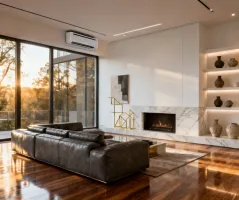
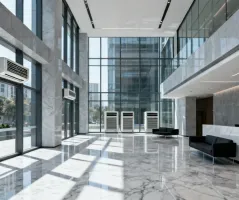
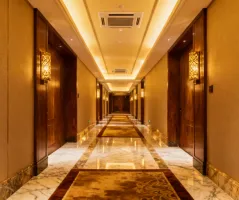



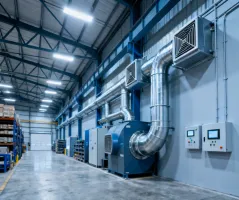
From Hyper-Heating H2i mini splits that perform at –25°C to large-scale City Multi VRF networks, our inverter-driven systems deliver certified efficiency, whisper-quiet comfort, and verifiable ROI for residential and commercial projects worldwide.
Six product families, one engineering standard. Every system is designed for inverter efficiency, quiet operation, and seamless smart-home integration.
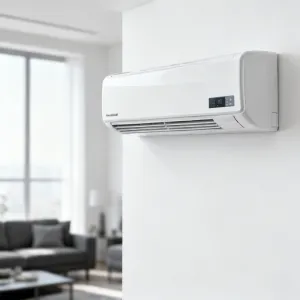 Best Seller
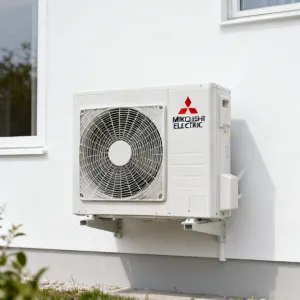 H2i
H2i
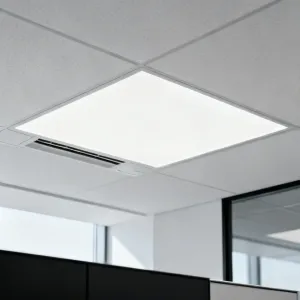
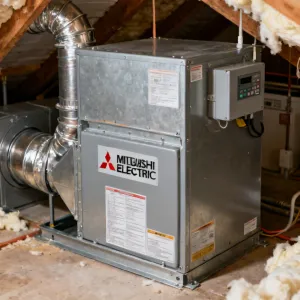
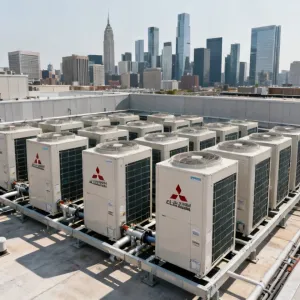 Commercial
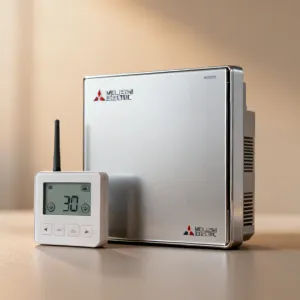
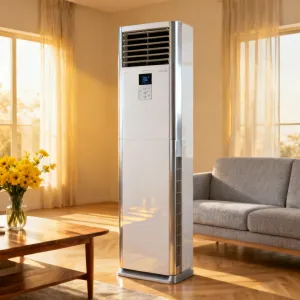
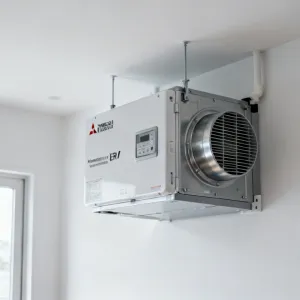
Climate change demands climate solutions. Mitsubishi Electric's 2050 Carbon Neutral roadmap covers our manufacturing operations, supply chain, and the installed base of every system we put in the world. Because real sustainability means accounting for the full lifecycle.
We specified Mitsubishi Electric City Multi VRF for an 8,400 m² mixed-use development. Installation was seamless, commissioning was straightforward, and the building operator has reported 38% energy savings versus the legacy chiller system in year one. Nothing else compares at this performance tier.
As a Diamond Elite contractor, the technical support from Mitsubishi Electric is genuinely unmatched. Their sizing tools, kumo cloud integration, and 24/7 technical line have helped us grow our retrofit business significantly. Homeowners consistently comment on how quiet and responsive the Hyper-Heat units are even during polar vortex events.
We retrofitted 120 hotel rooms with Mitsubishi Electric ceiling cassettes and the guest satisfaction scores for room comfort improved from 3.9 to 4.7 out of 5 within a single quarter. The individual room zoning eliminated complaints about overheating and the noise reduction was dramatic. It's a legitimate competitive advantage now.
From thermostat operation to commercial VRF sizing, our engineering team has compiled the questions we hear most from contractors, architects, and building owners.
Ask an EngineerVRF (City Multi): Lower installed cost (typically 15–25% less than equivalent chilled-water plant), no plant room required, faster commissioning, and simultaneous heat recovery between zones. Best suited for buildings up to ~50,000 m² with moderate internal diversity of loads. Limitations include maximum refrigerant pipe run of 150m equivalent, and regulatory scrutiny around large refrigerant charges in occupied buildings under ASHRAE 15 and local codes.
Chilled Water: Preferred for buildings above 50,000 m², high-density server rooms, or campus-scale installations where a central plant with chillers and cooling towers provides redundancy, longevity (30+ year plant life), and lower per-BTU operating cost at very high loads. Upfront costs are higher and plant room space is required.
Verdict: For mid-size commercial projects (5,000–50,000 m²) with mixed-exposure zones, VRF heat recovery typically delivers better whole-building efficiency and lower total cost of ownership. For mega-scale single-purpose facilities, chilled water remains the engineering default. A load analysis from our commercial team can model both options for your specific project.
R-32 climate performance: R-32 has a Global Warming Potential (GWP) of 675 — 68% lower than R-410A (GWP 2,088) and dramatically lower than legacy R-22 (GWP 1,810). From a climate perspective, R-32 is the clear improvement.
R-32 safety consideration: R-32 is classified as A2L — mildly flammable. Unlike R-410A (A1, non-flammable), R-32 requires specific installation precautions: no open flames during brazing in enclosed spaces, leak detection in machine rooms, and training for service technicians. ASHRAE 34 and IEC 60335-2-40 set the installation safety standards. Mitsubishi Electric systems using R-32 are factory-designed to meet these standards, but installers must hold current refrigerant safety training.
Verdict: R-32 is safe when installed per code by trained technicians, and the GWP reduction is material. For jurisdictions with very conservative A2L policies, verify local authority approval before specifying. Our Diamond Contractor programme includes R-32 handling certification as a standard requirement.
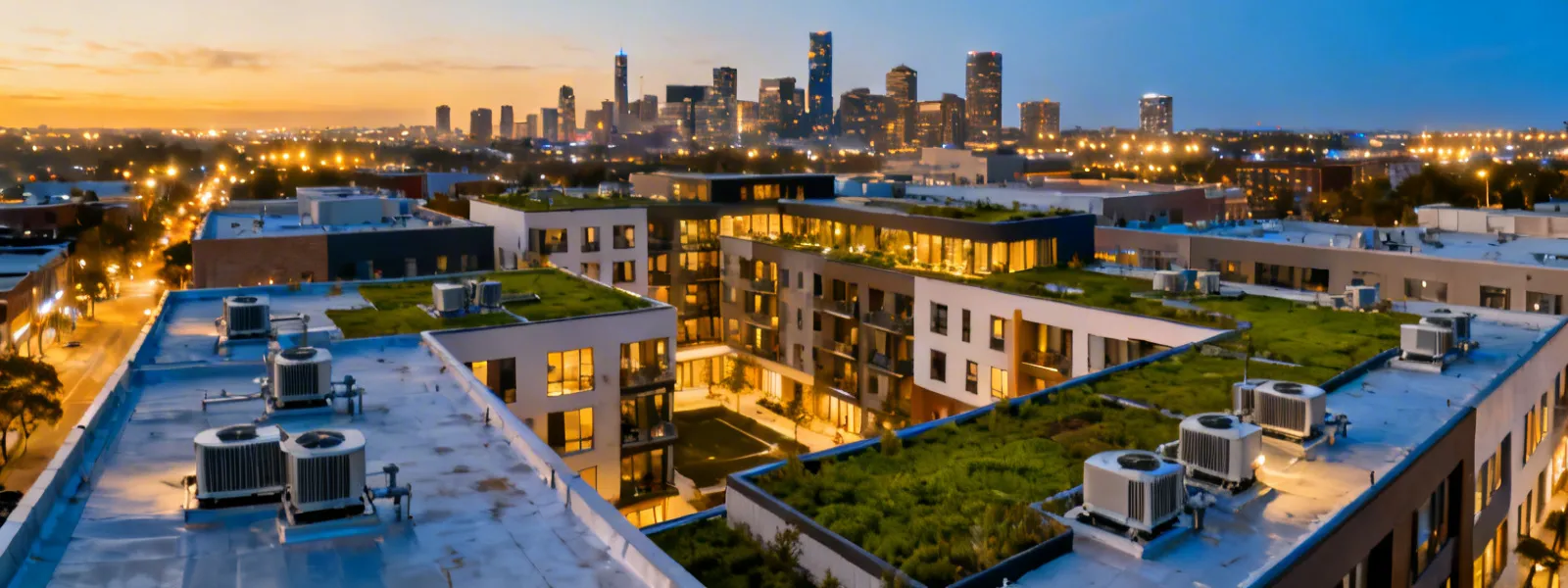
Our system design team works directly with architects, mechanical engineers, and contractors to specify the right HVAC solution — from single-room retrofits to million-square-foot commercial campuses.